




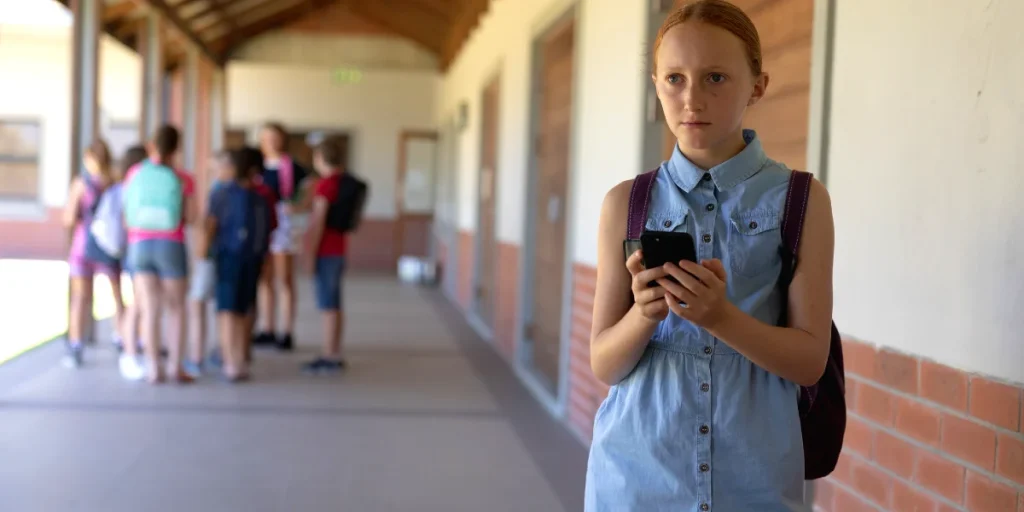
This National Bullying Prevention Month, we are shedding light on a stark reality facing Canada’s youth: bullying is not a rite of passage, but a profound crisis. Recent data reveals that 71% of Canadian students aged 12 to 17 report experiencing at least one form of bullying in the past year, with 42% of those affected enduring it monthly or more frequently. Whether it occurs through verbal insults (59%), rumour spreading (34%), or deliberate social exclusion (32%), chronic harassment deeply disrupts a child’s lives. As a child welfare agency, we see the impact bullying can have on a young person’s well-being, sense of belonging, and confidence. Creating safe, supportive environments where children and youth feel respected, valued, and heard is a responsibility we all share.
The digital landscape has fundamentally changed where and how this harm takes place, creating complex new hurdles for youth safety. Today, 1 in 5 teenagers experience cyberbullying, a risk that escalates drastically with online exposure. For youth who use social networking sites constantly, the risk of online bullying jumps from 12% to 34%, while constant use of instant and video messaging apps pushes those risks from 14% up to 36%. This continuous, 24/7 connectivity leaves vulnerable young people feeling isolated and unsure of where to turn, making it more critical than ever that we actively listen to their digital experiences and validate their struggles.
To protect our children, prevention must move beyond reactive measures and focus on building strong, proactive networks of support. Parents play a foundational role in this mission; you can support your child by initiating regular, casual check-ins about their online and offline lives, teaching them how to use block and report features on social apps, and reassuring them that asking for help is a sign of strength, not weakness.
This National Bullying Prevention Month, let’s commit to choosing kindness, speaking up when we see bullying, and supporting children and youth in every space they inhabit. By equipping families with these tools and fostering open, judgment-free homes, we can ensure youth truly feel heard and protected. Together, we can help build communities where every young person feels safe to be themselves.